History

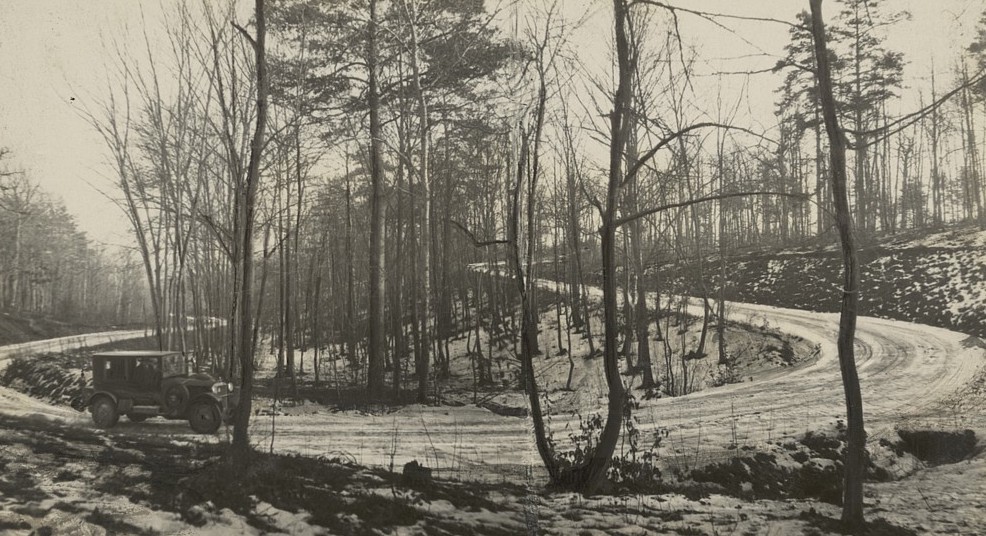
It is the spring of 1930. Through the forest above Popůvky, a quiet village ten kilometers from Brno, comes the muffled tapping of wooden hammers as workers set granite cobblestones into sand. A new racetrack is being built, and it must be finished by autumn, driven forward by none other than Eliška Junková, the “First Lady” of Czech motorsport. Rumor among the workers has it that the new track will bear the name of the first president of Czechoslovakia—and they were right. Beneath their hands, a legend was born: the Masaryk Circuit.

1930-1937

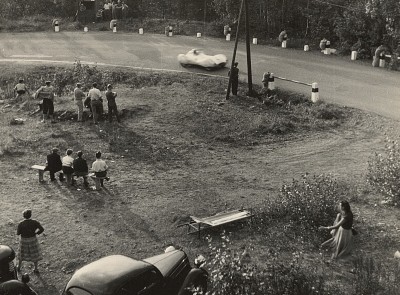
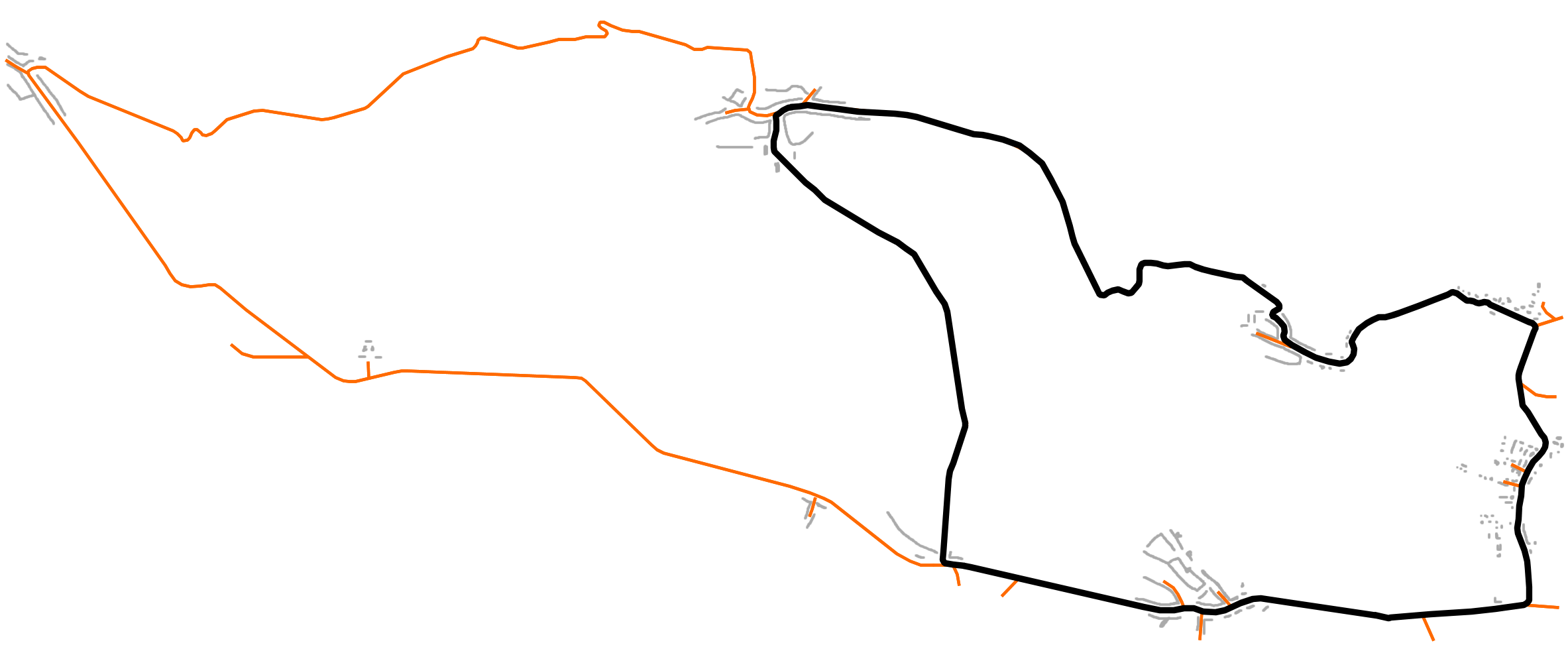
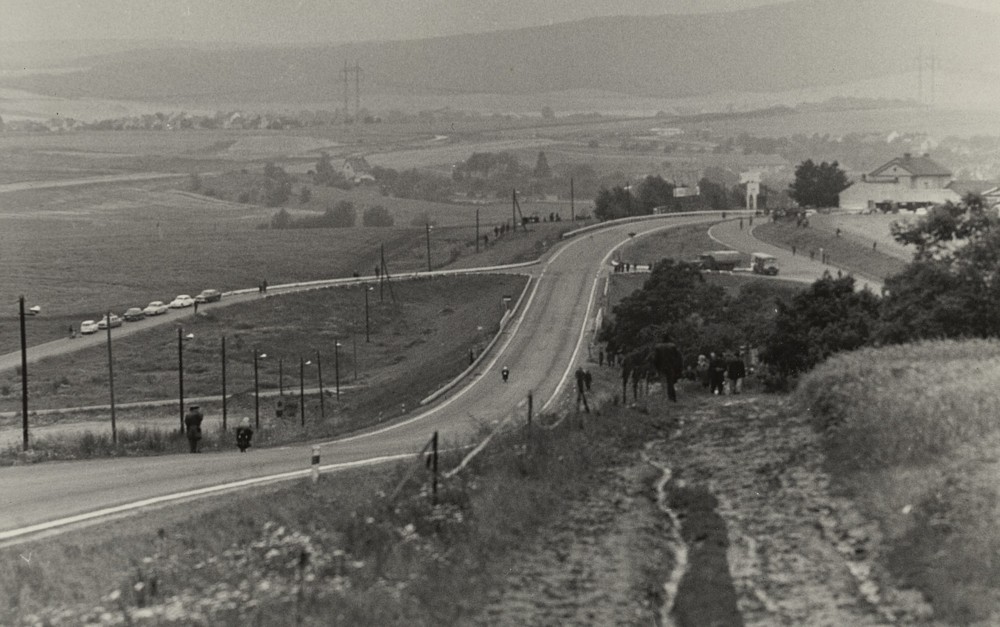
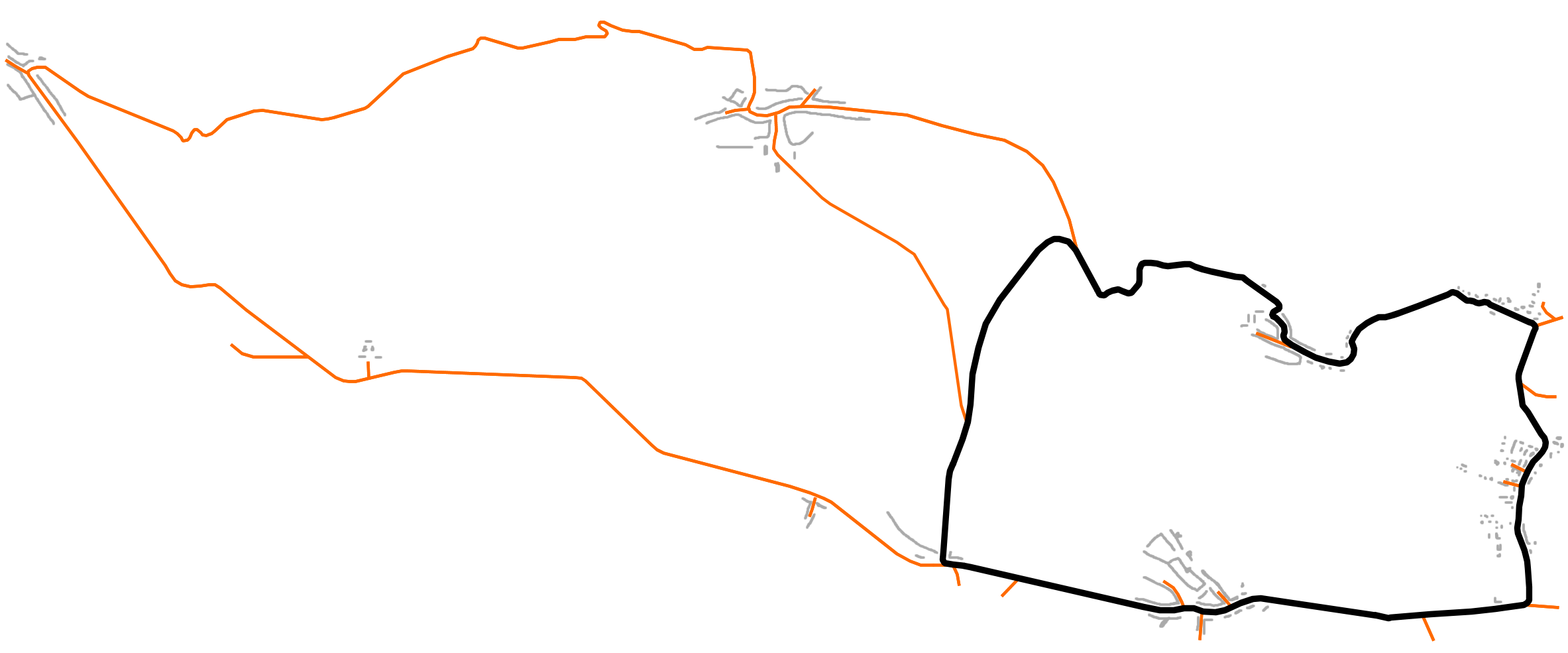
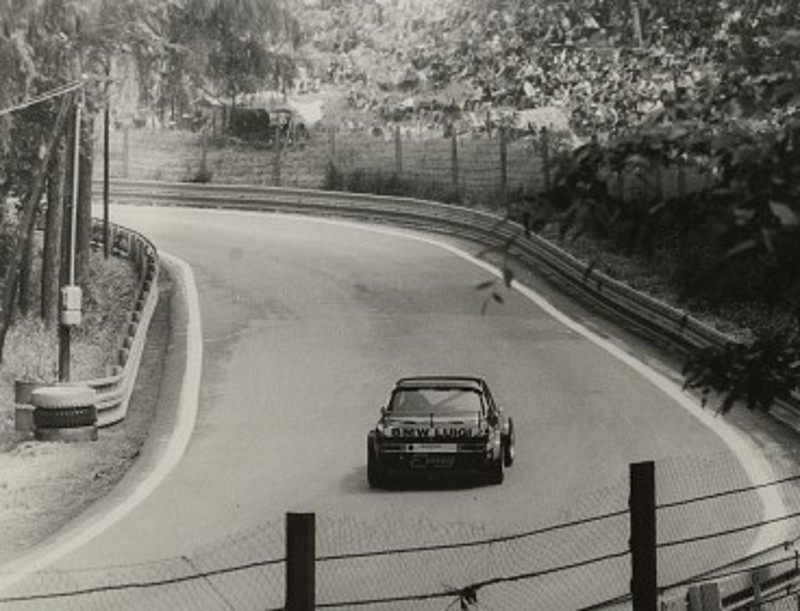
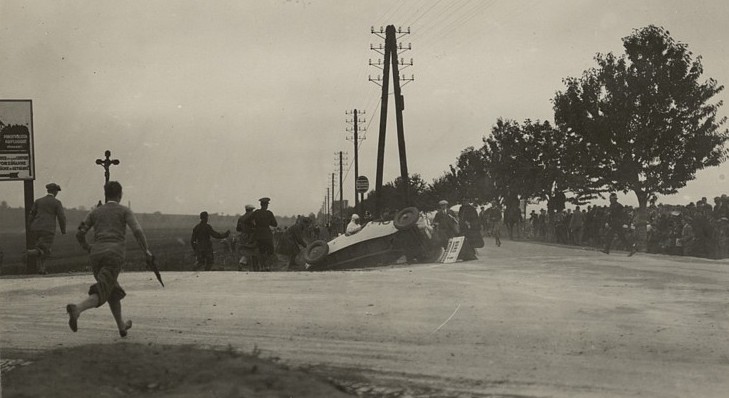
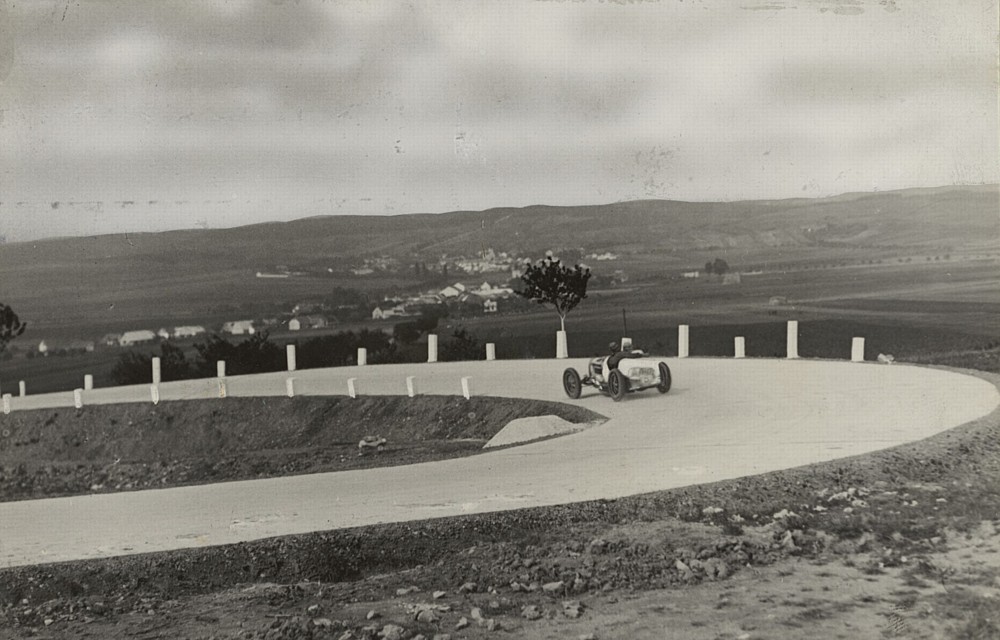
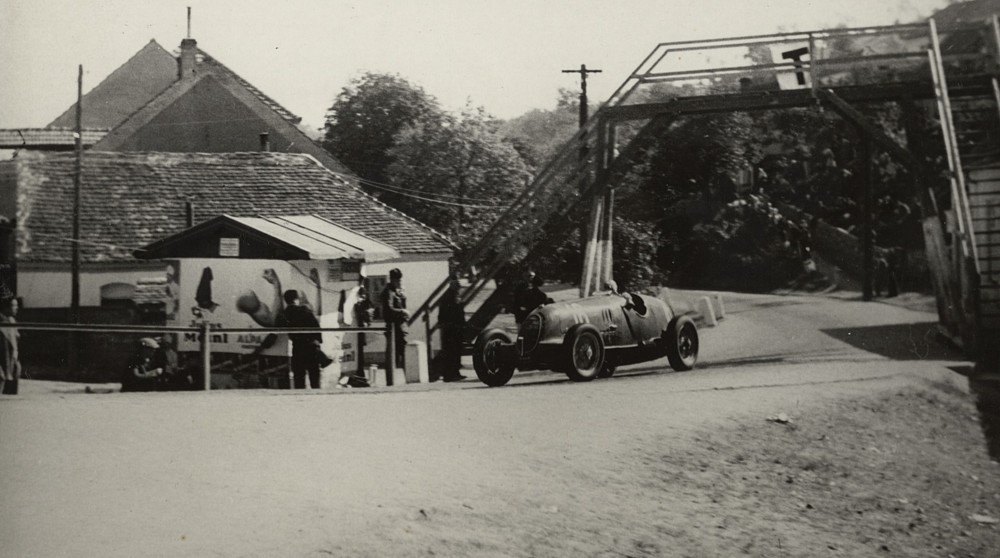
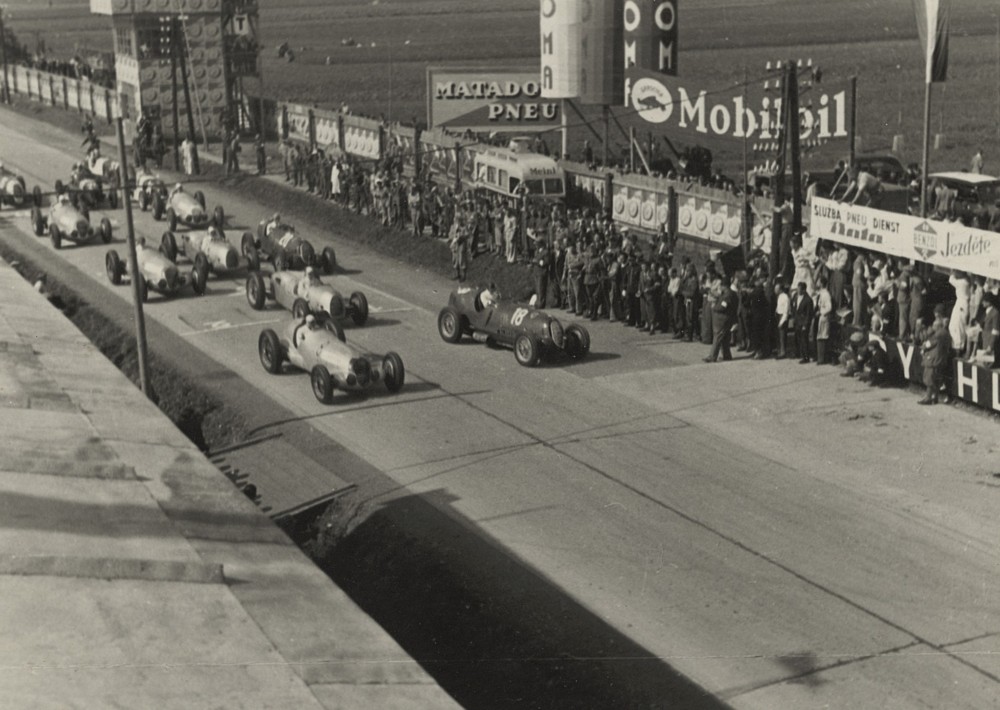
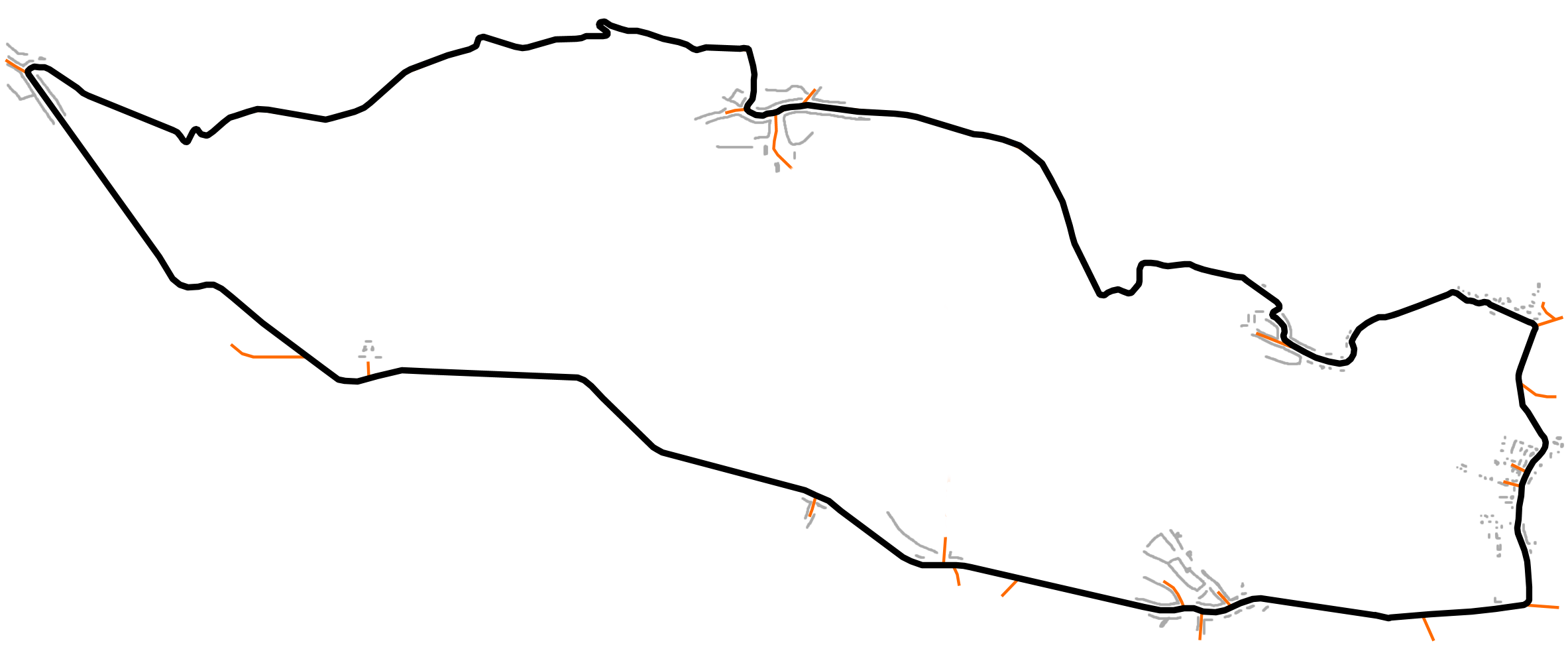
The engines roared for the first time at the Masaryk Circuit in September 1930. Czechoslovakia had responded to the flurry of racetrack construction abroad by creating a unique circuit west of Brno, combining fast straights with challenging hilly sections. The legendary Czech driver Eliška Junková was consulted during the track’s design, resulting in a 29.1-kilometer circuit that wound through city streets and forests.

Longer than the famed Nürburgring Nordschleife, the Masaryk Circuit quickly became one of the toughest challenges for drivers. The most successful pre-war competitor was Louis Chiron, whose three consecutive victories etched his name permanently into Brno’s history. Today, one of the streets in the city’s Bosonohy district carries his name.

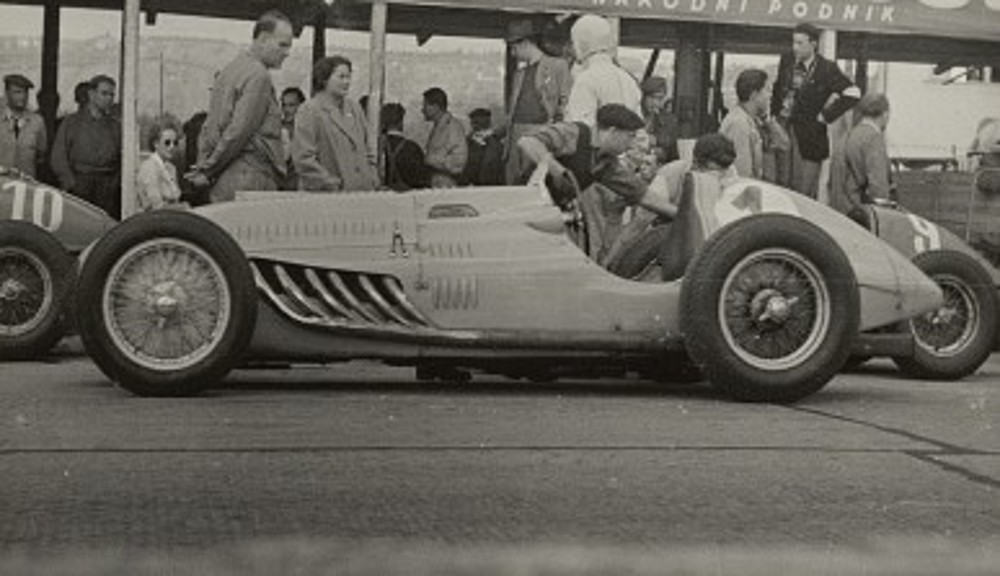
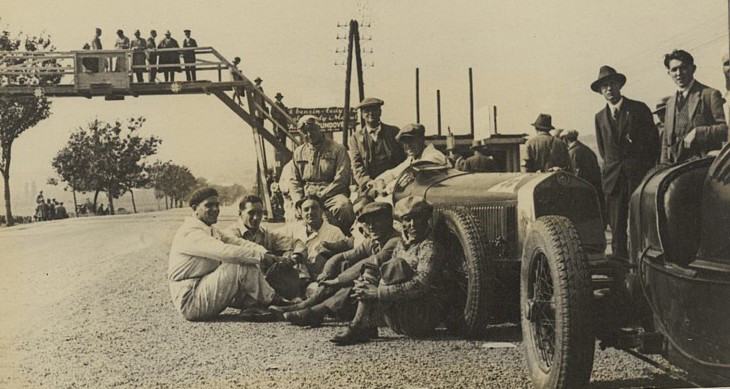
Between 1930 and 1937, the Masaryk Circuit attracted the greatest racing legends of the time: Tazio Nuvolari, his lifelong rival Achille Varzi, the masterful Rudolf Caracciola, talented Bernd Rosemeyer, the tall Hans Stuck, the wild Giuseppe Farina, and many others who dominated pre-war Grand Prix racing.

The Masaryk Circuit became such a prestigious sporting challenge that it wasn’t just top drivers who flocked there, but also renowned teams. Scuderia Ferrari appeared at the inaugural race in 1930, soon followed by factory teams from Bugatti and Maserati. The Silver Arrows of Auto Union and Mercedes dominated Brno from 1934 until the last pre-war race in 1937.
1930-1937

1949 - 1963

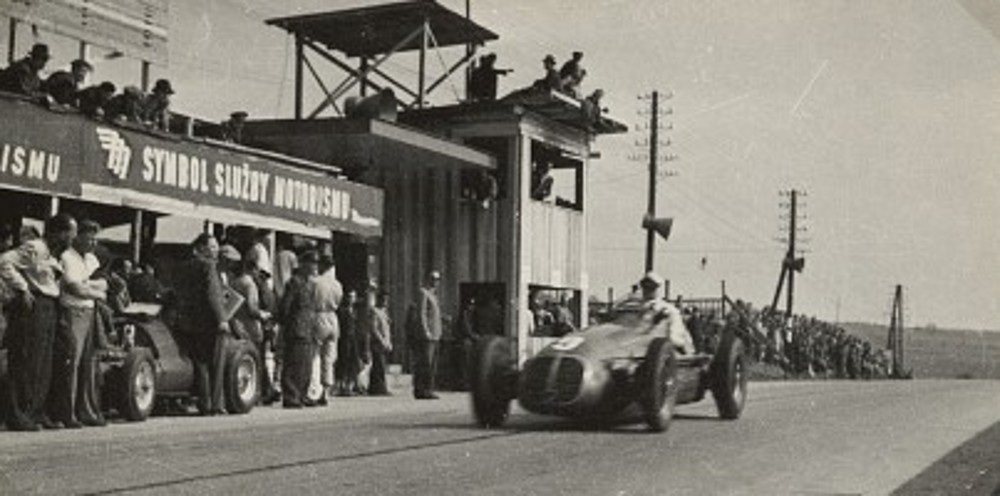
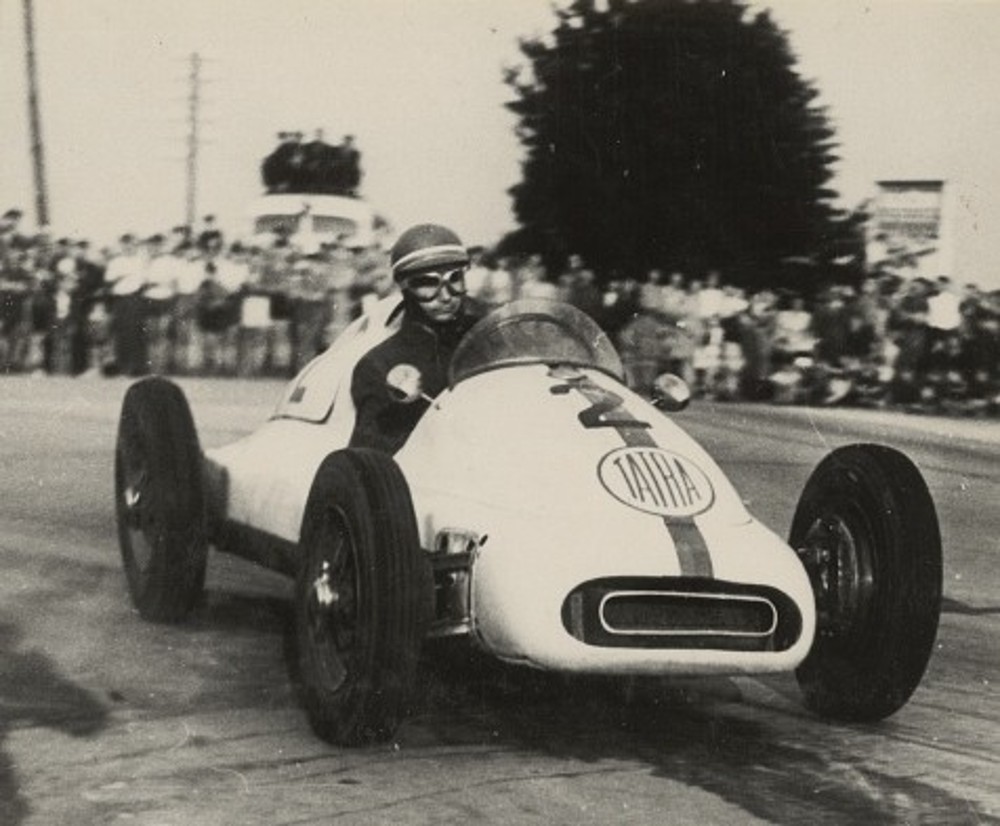
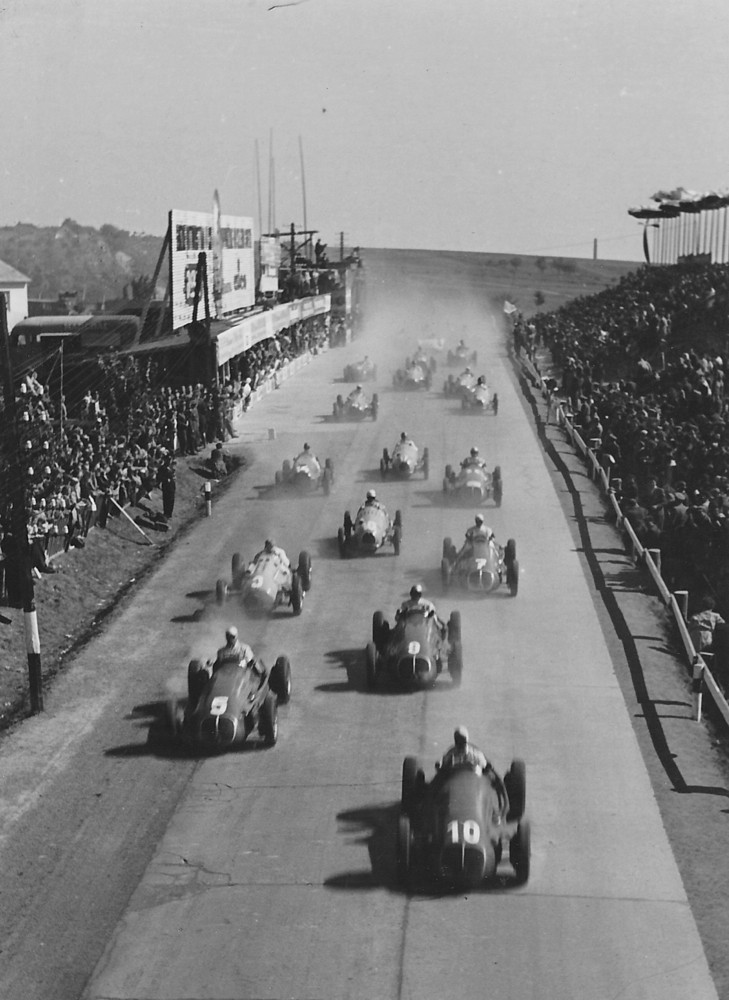
Barely a year after World War II, in 1946, there were calls for the return of racing to the Masaryk Circuit. However, post-war shortages and necessary repairs delayed the first race until 1949, with the track shortened to 17.8 kilometers. The wait was worth it, as Brno hosted its first Formula 1 Grand Prix of Czechoslovakia, attracting hundreds of thousands of spectators eager to see the fastest drivers in the world.
A planned Formula 1 event in 1950, the inaugural year of the F1 World Championship, was replaced due to the Communist regime distancing itself from the cosmopolitan West. The Grand Prix became known as the “Race of Nations’ Friendship.”

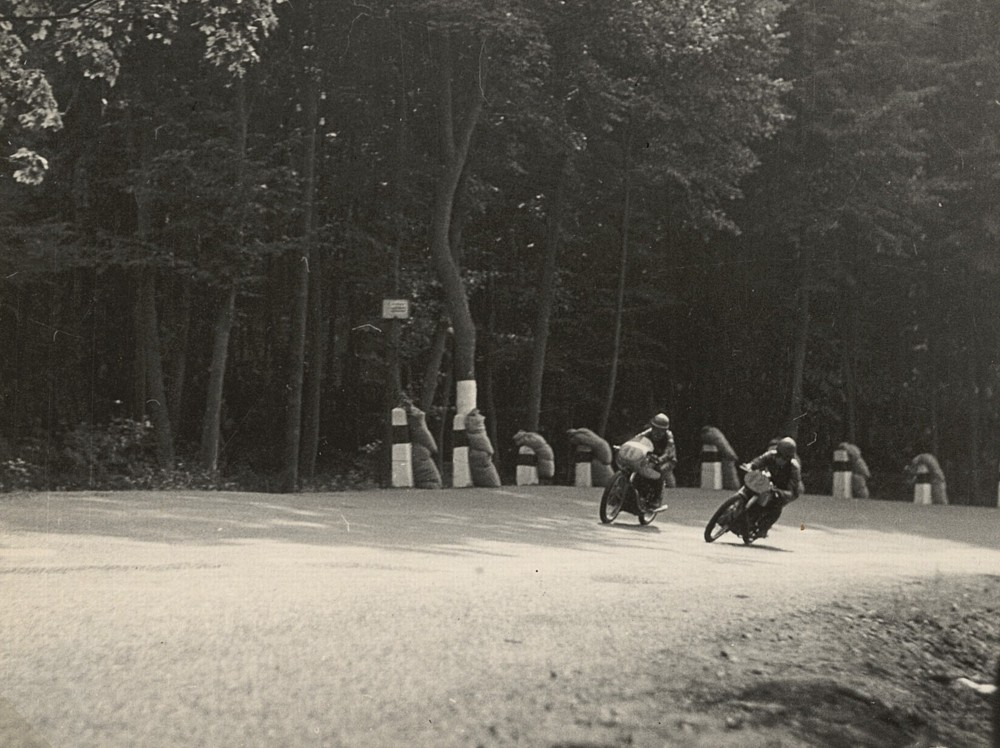
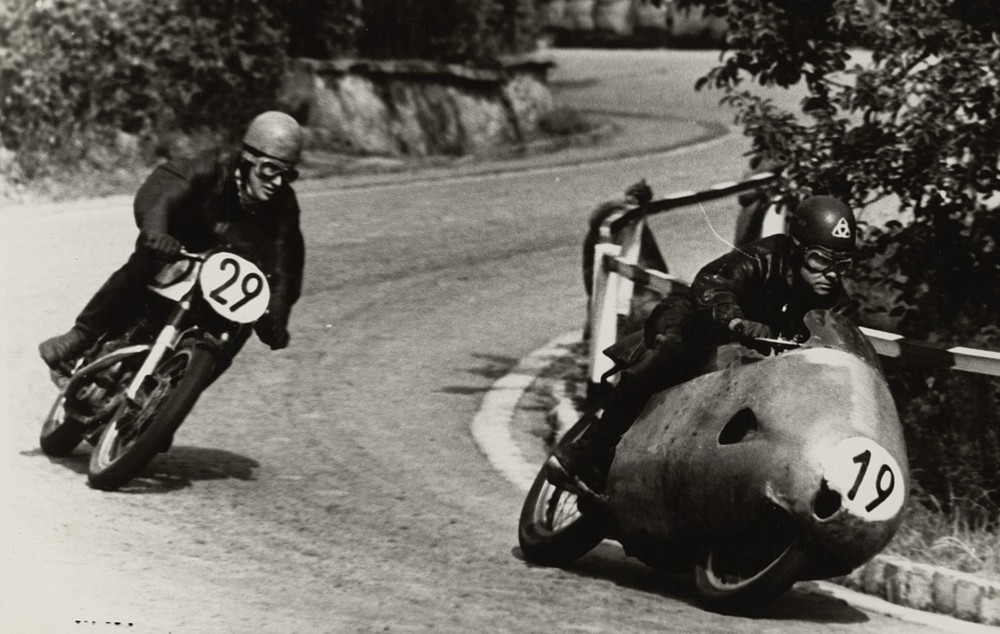
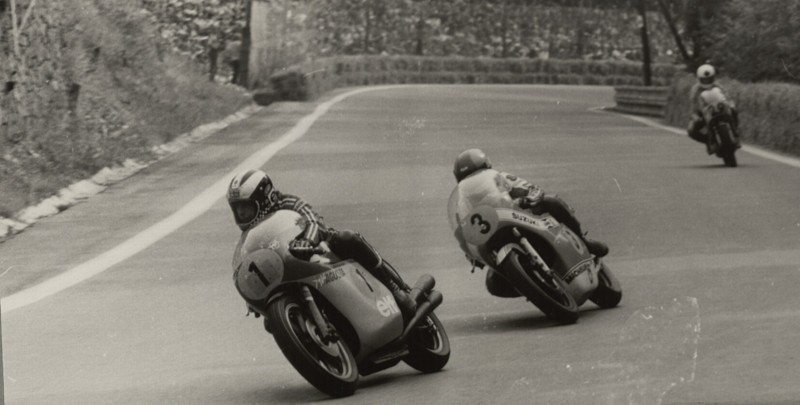
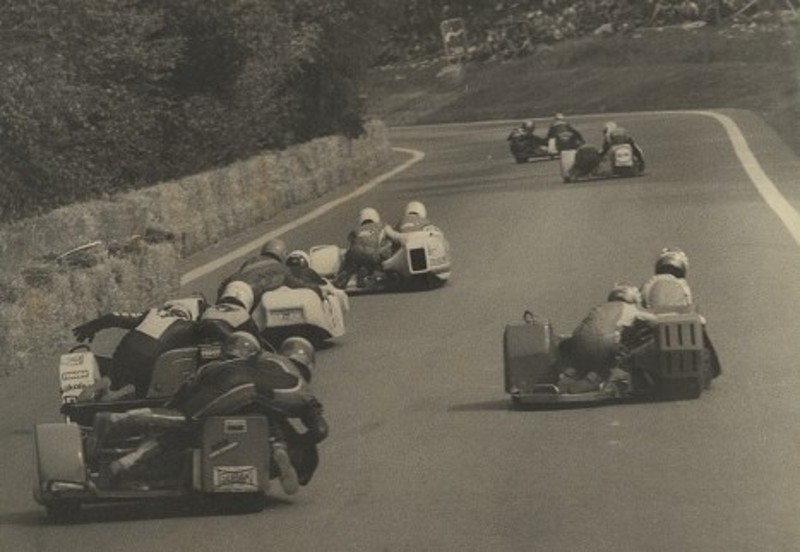
As car racing gradually declined, motorcycles began to rise. The first motorcycle race took place in 1950, initially national in scale, but by the end of the decade, famous riders such as Hans Baltisberg, Horst Kassner, Eric Hinton, Gary Hocking and Jim Redman were returning to the previously forgotten circuit, competing fiercely against domestic stars like František Šťastný, Gustav Havel, František Bartoš, and Václav Parus. The Masaryk Circuit reemerged on the international motorsport map, but its greatest era was yet to come.

1949 - 1963

1964 - 1974

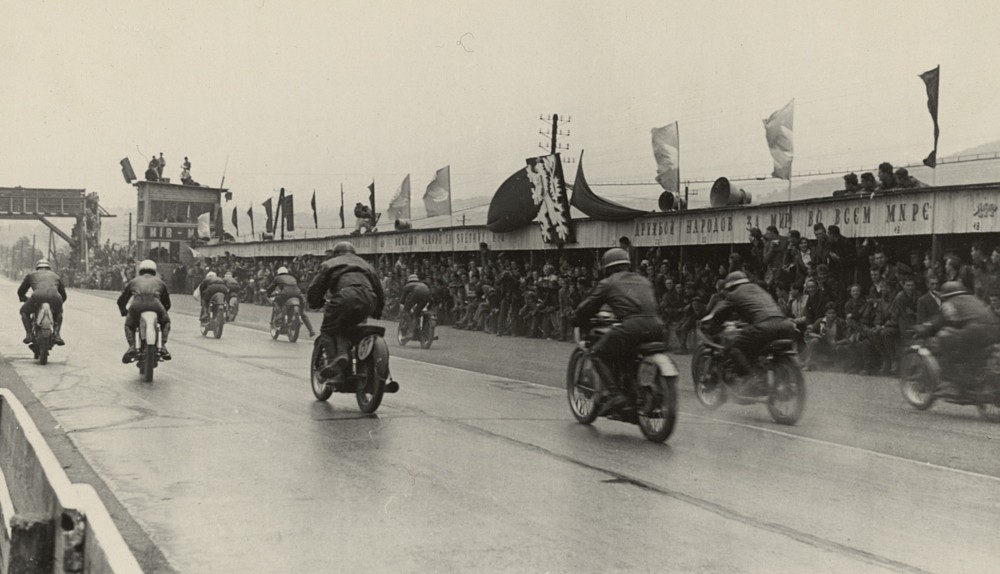
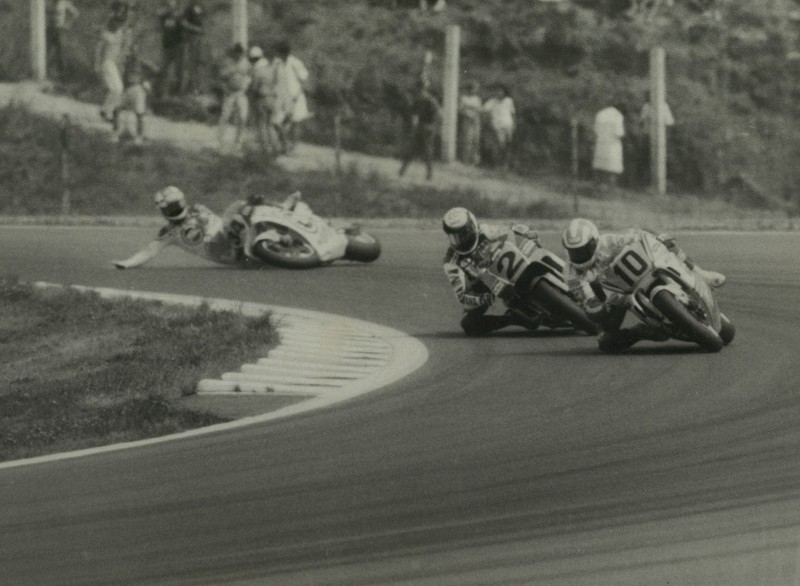
From the 1960s, organizers aimed to bring Brno into the Motorcycle World Championship, necessitating improved safety standards. The Žebětín detour was removed, shortening the circuit to a still-respectable 13.9 kilometers. In 1965, the renovated track hosted the World Championship for the first time, beginning an era that continues today.

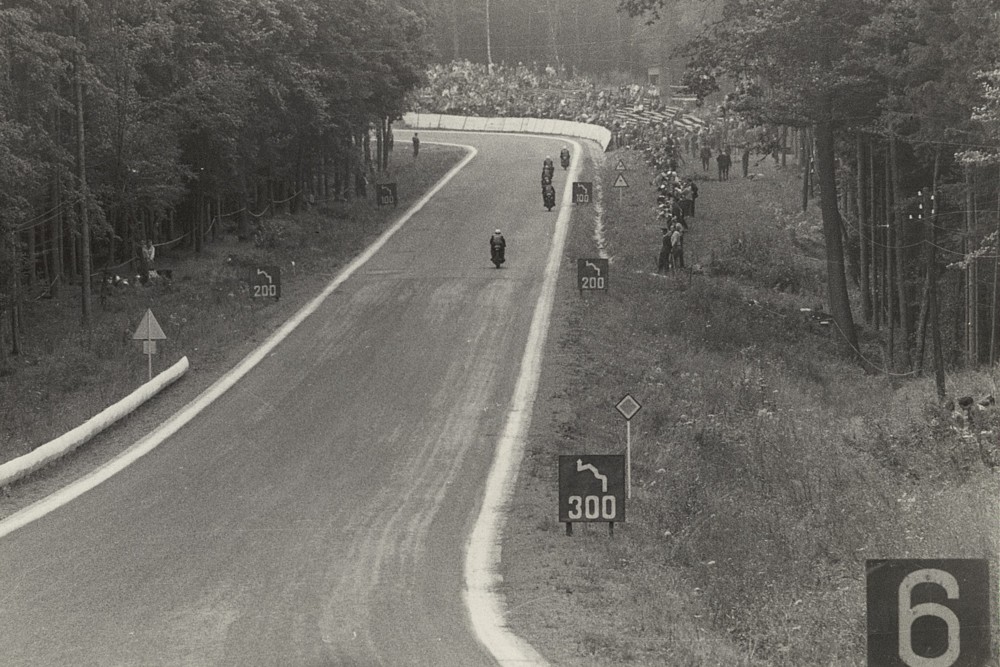
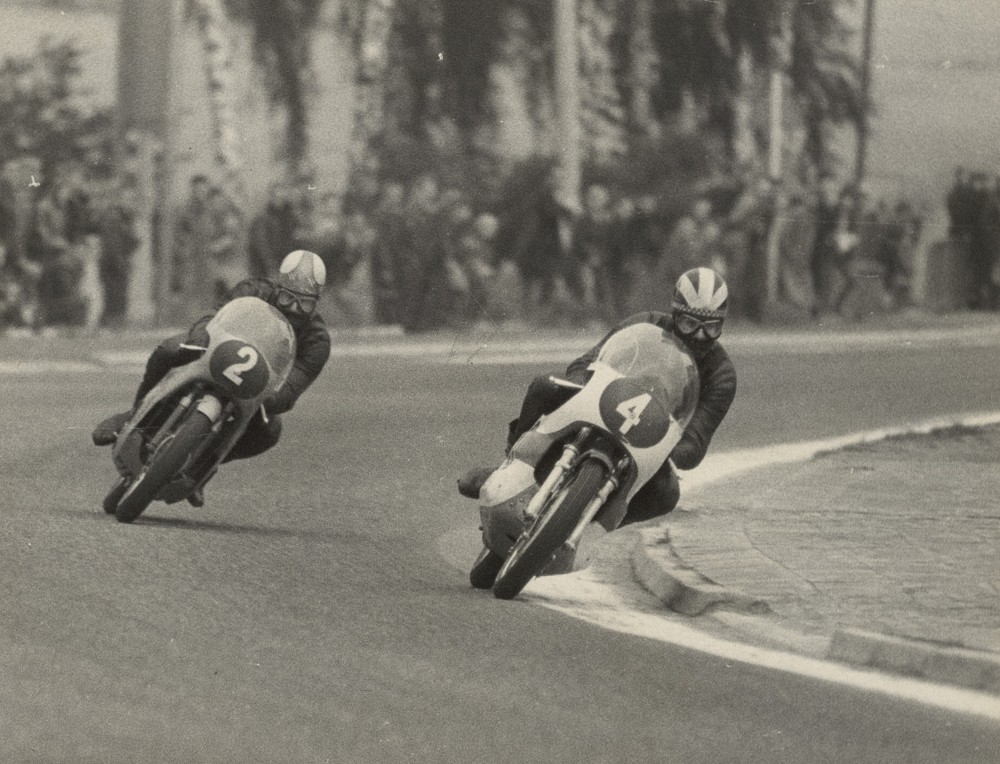
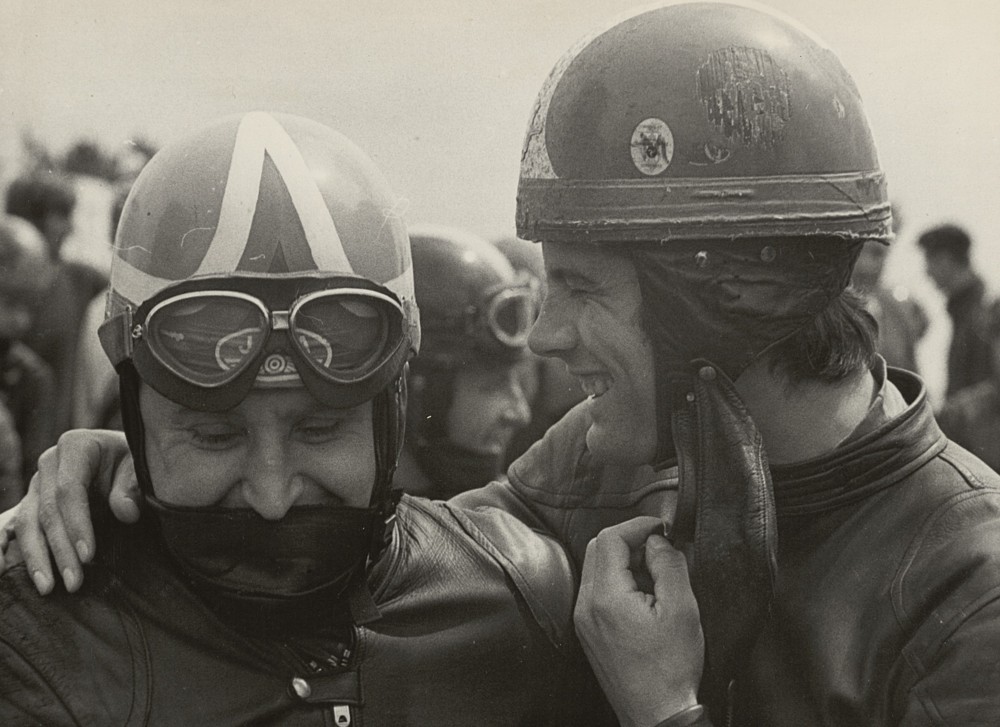
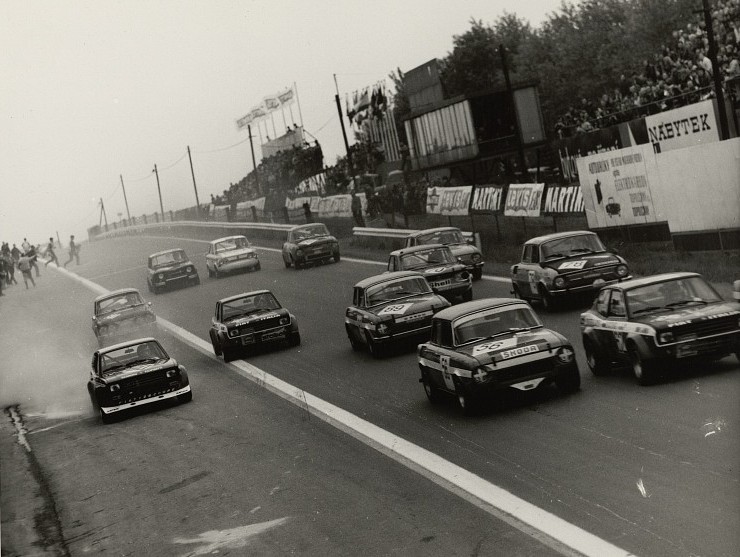
Despite shrinking by more than half since 1930, the Masaryk Circuit remained a classic city course, weaving through expanding urban areas. Motorcycle legends raced here: Mike Hailwood won three events in 1966, followed by Giacomo Agostini, whose victorious streak lasted from 1966 until 1973, when he first crossed the finish line in second place.

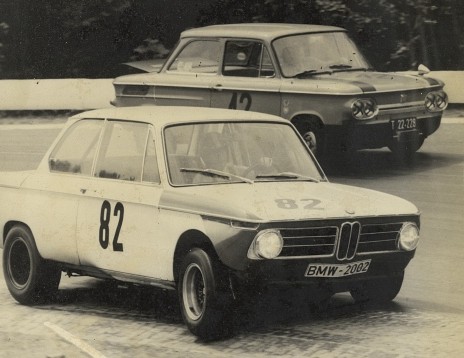
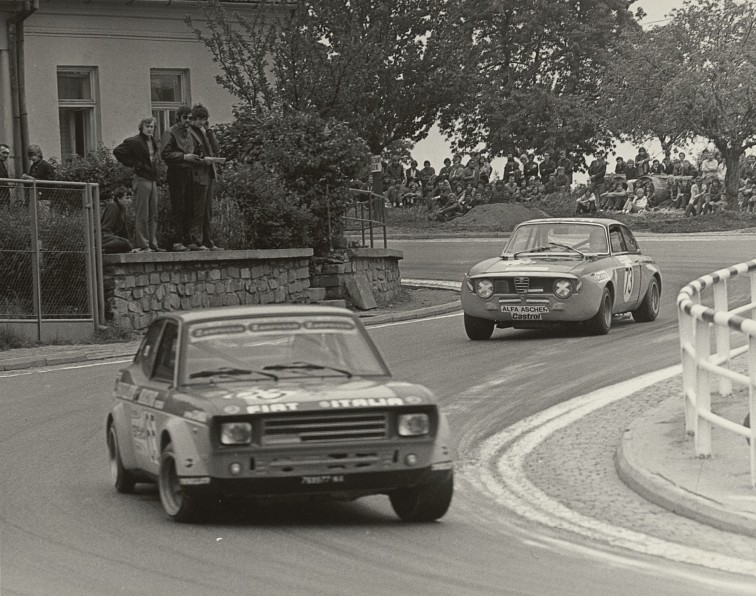
Phil Read, Bill Ivy, Jarno Saarinen, Johnny Cecotto, and many others became fan favorites. The motorcycle Grand Prix was the country’s biggest sporting event, while car racing continued with the European Championship, annually welcoming spring, as motorcycles dominated in August.

1964 - 1974

1975 - 1986

Safety concerns eventually led to a further reduction of the track to 10.9 kilometers. Despite numerous improvements, it became clear that a city circuit was unsustainable, and plans for a modern autodrome began to take shape.

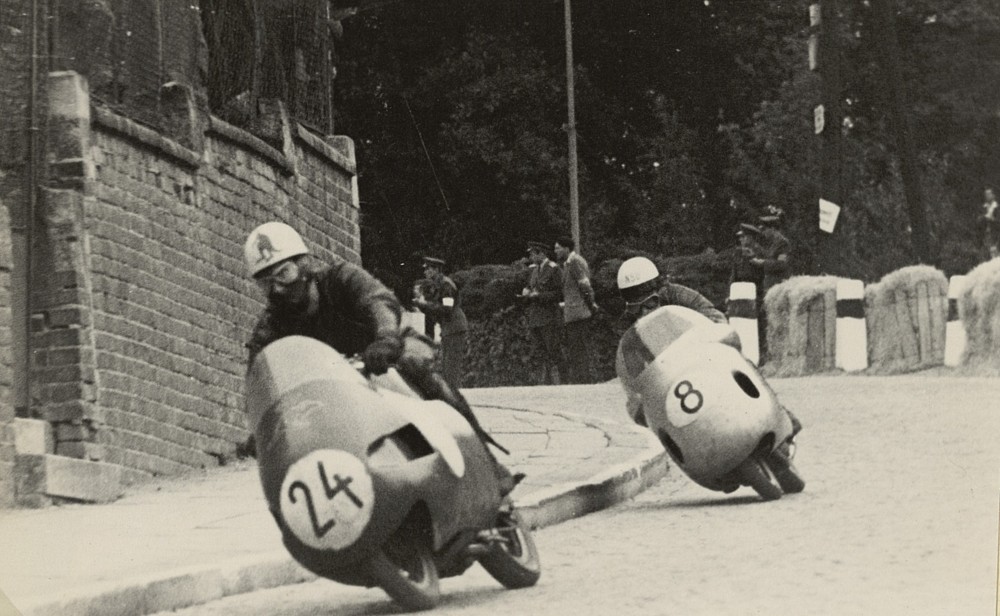
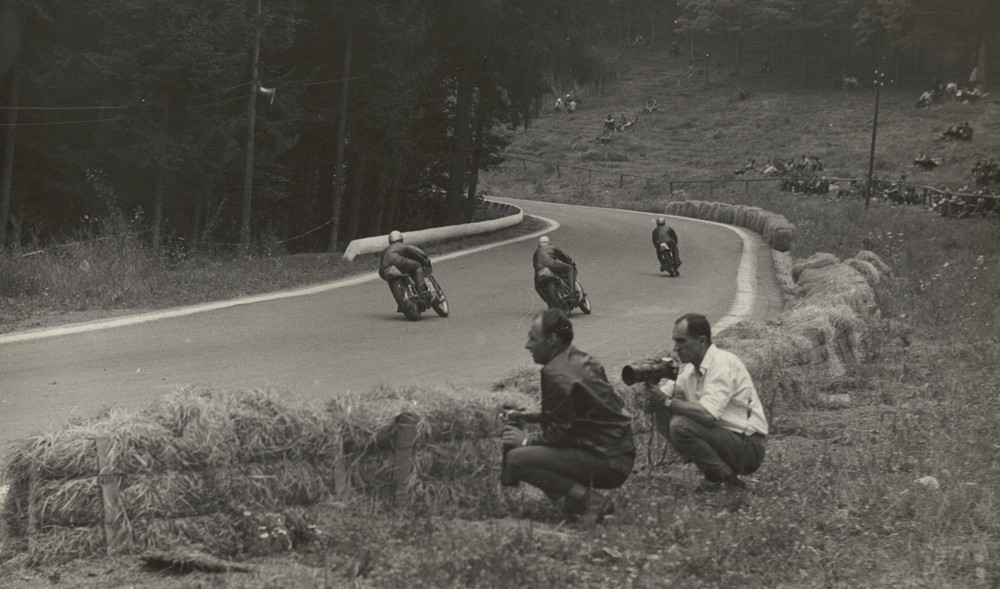
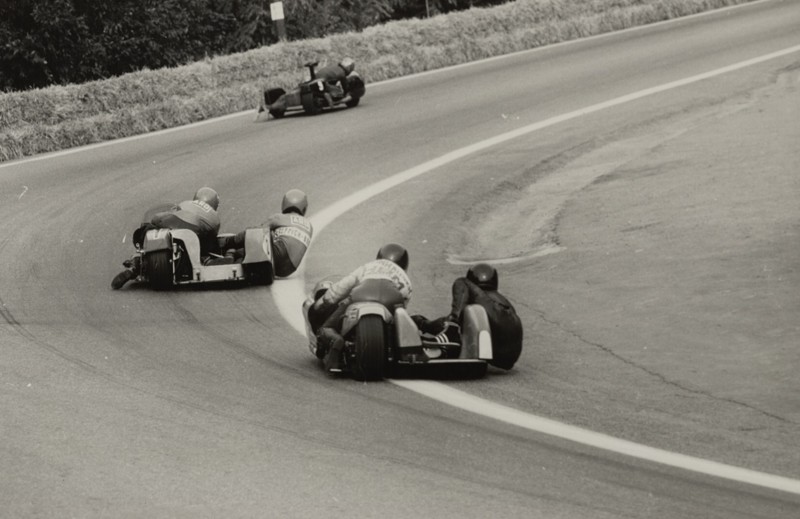
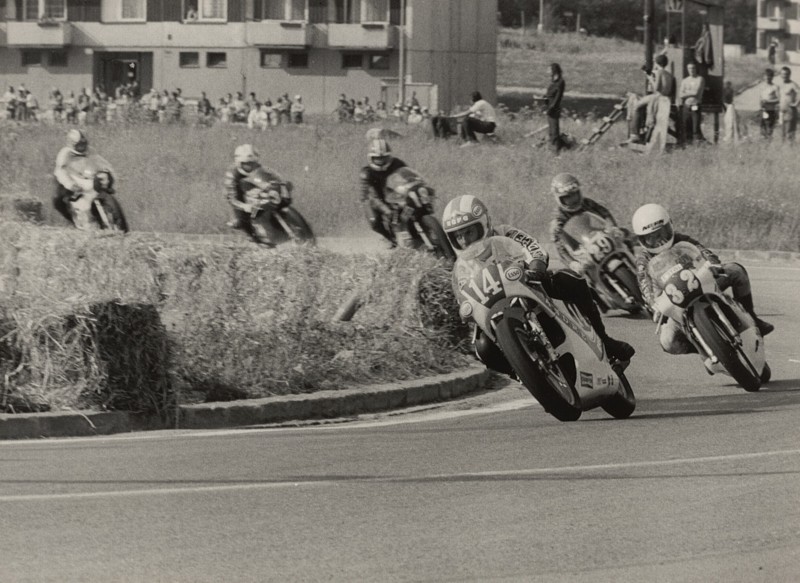
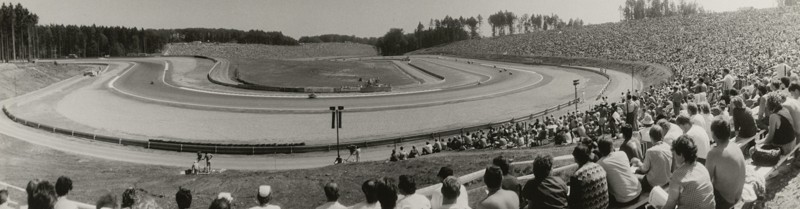
As various locations were debated, motorsport continued at the original Masaryk Circuit, lined with straw bales for motorcycles and steel barriers for cars, drawing hundreds of thousands of spectators. However, even the best safety measures were insufficient for the International Motorcycle Federation, which ultimately withdrew after 1982, replacing the World Championship with European motorcycle races.

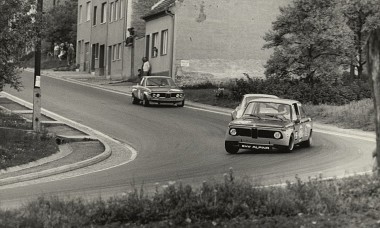
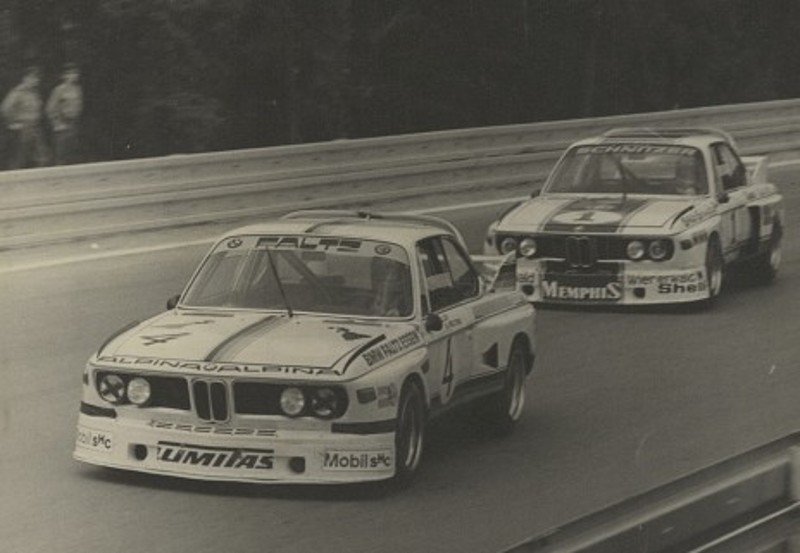
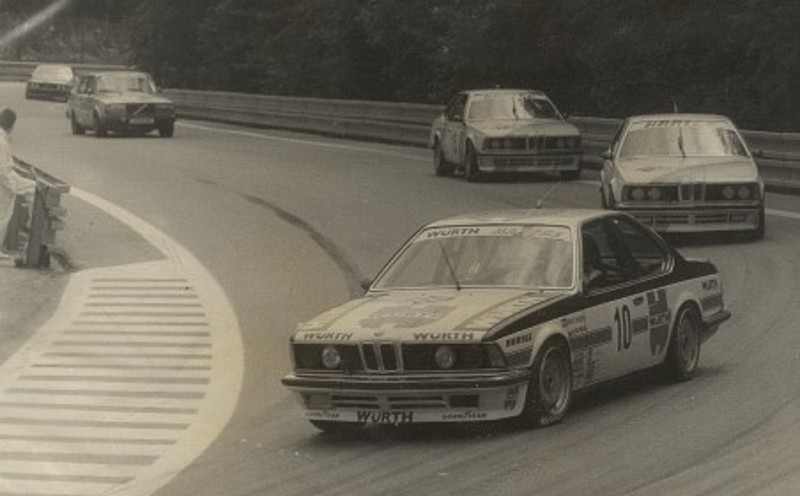
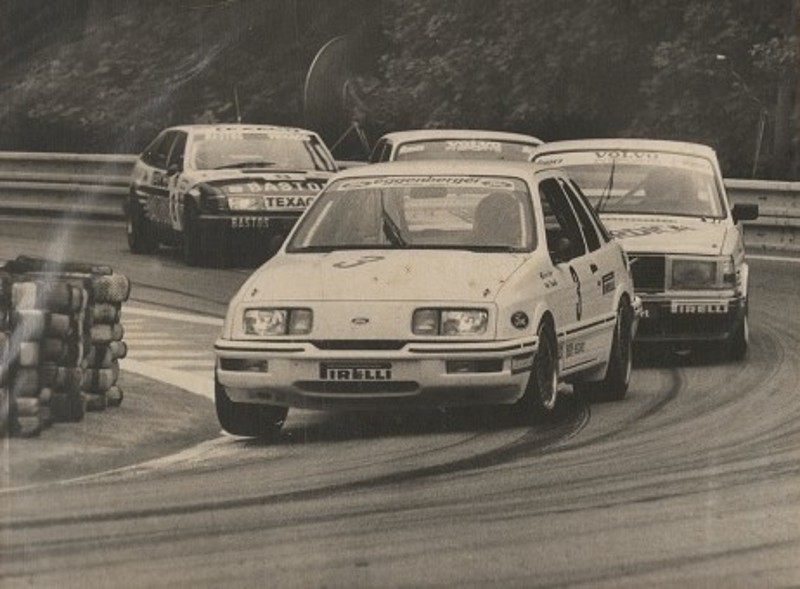
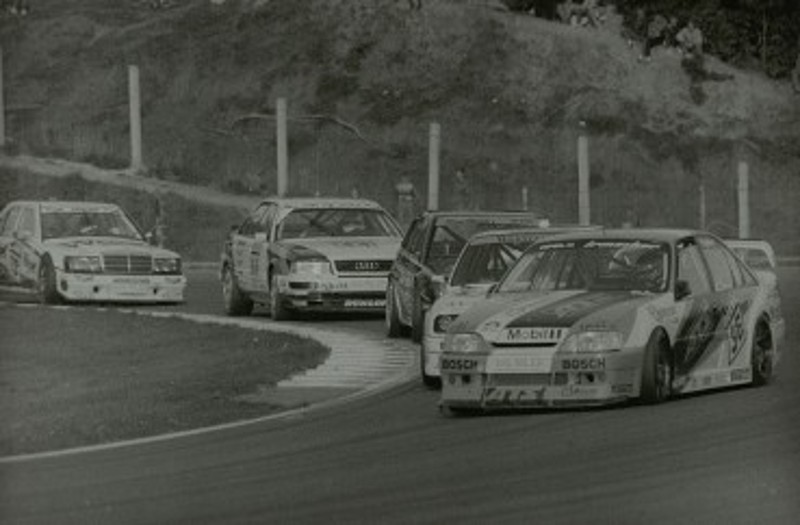
In contrast, European automobile championships remained popular until the circuit’s closure. Drivers loved its fast layout, offering unmatched driving pleasure. Hans-Joachim Stuck, Gerhard Berger, Dieter Quester, Tom Walkinshaw and others raced flat-out through streets where fans watched from their homes and packed viewing areas. While bidding farewell to the old city circuit in 1986, a new modern autodrome was taking shape near Žebětín.

1975 - 1986

od 1987

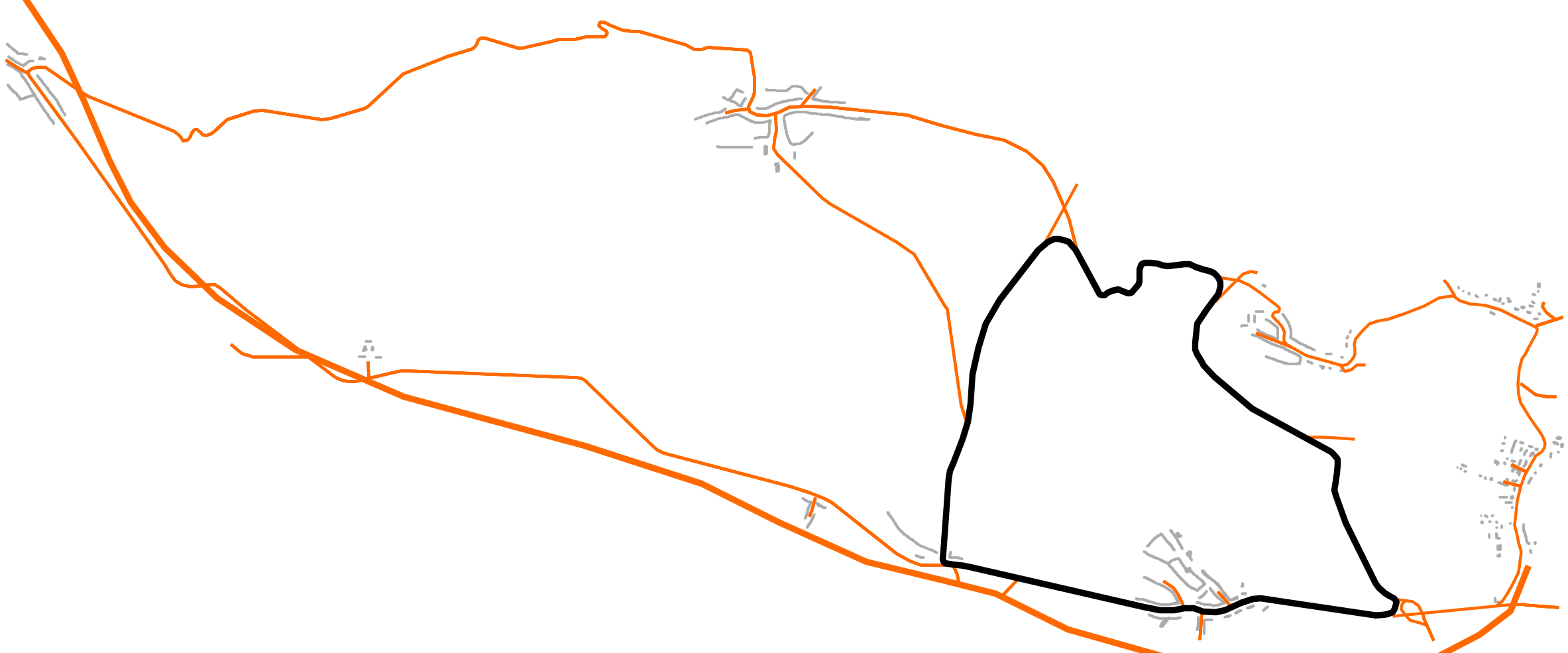
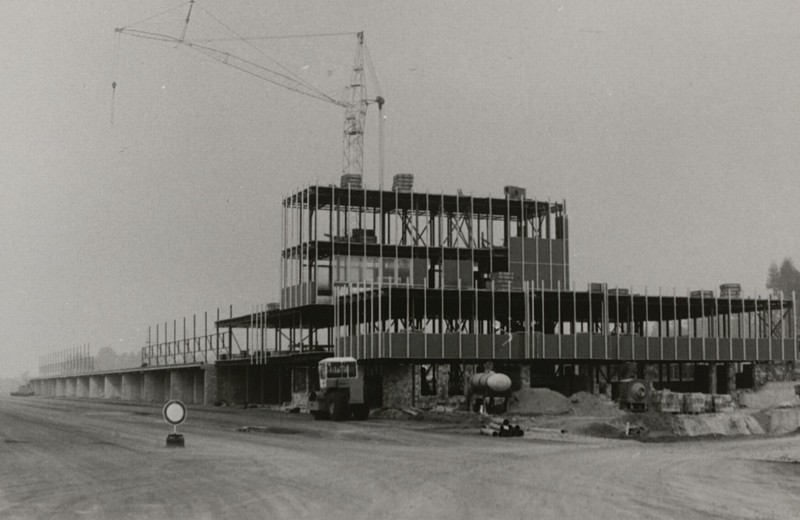
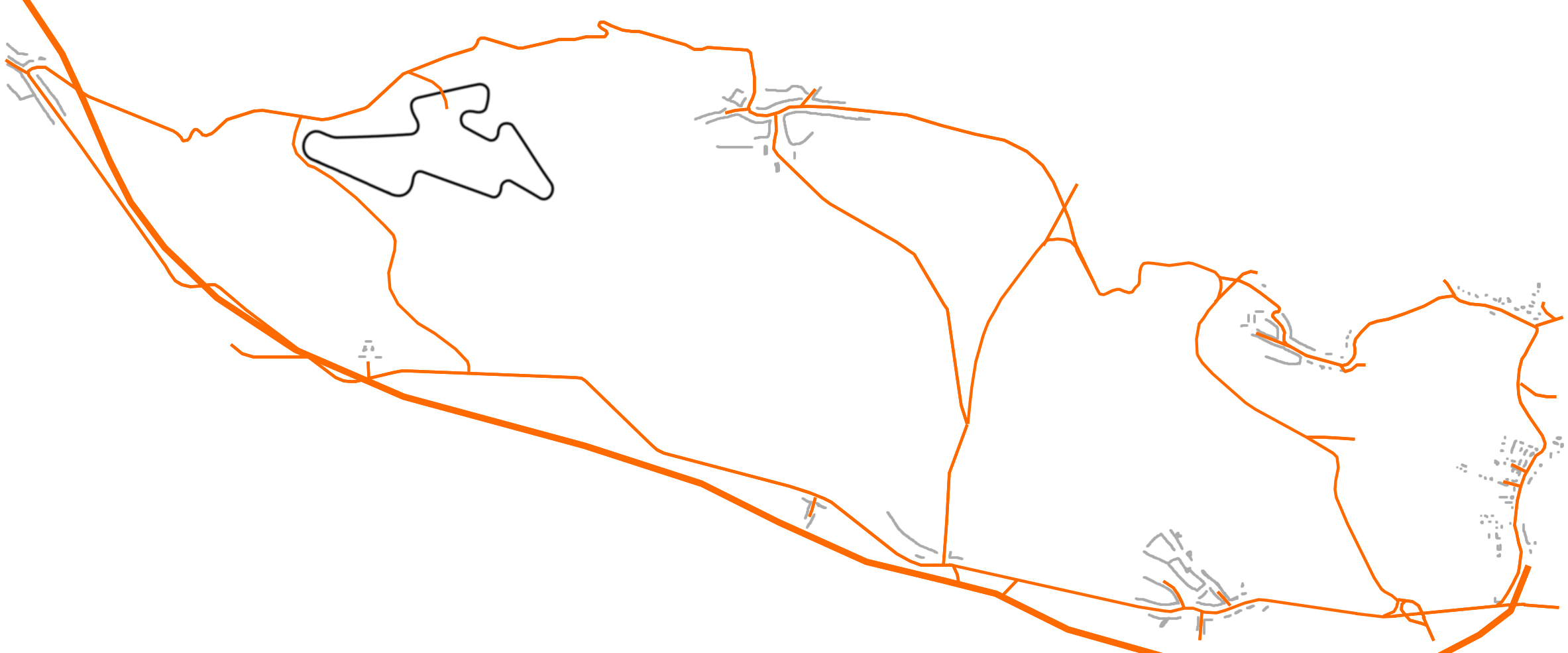
Symbolically, the Automotodrom Brno sits within the original pre-war Masaryk Circuit’s grounds. Approaching from any direction, you still pass fragments of the historic track.

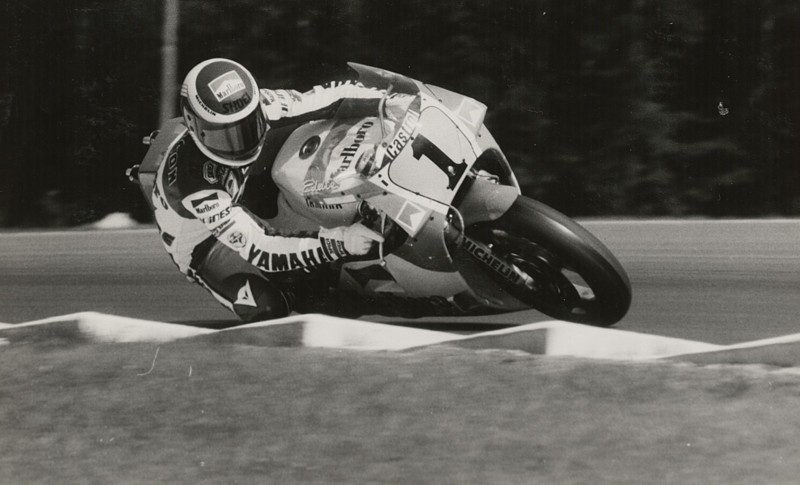
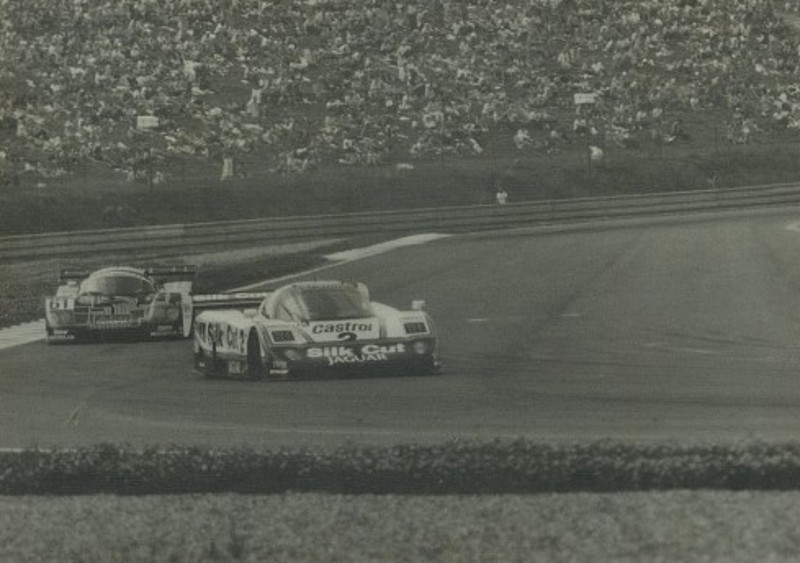
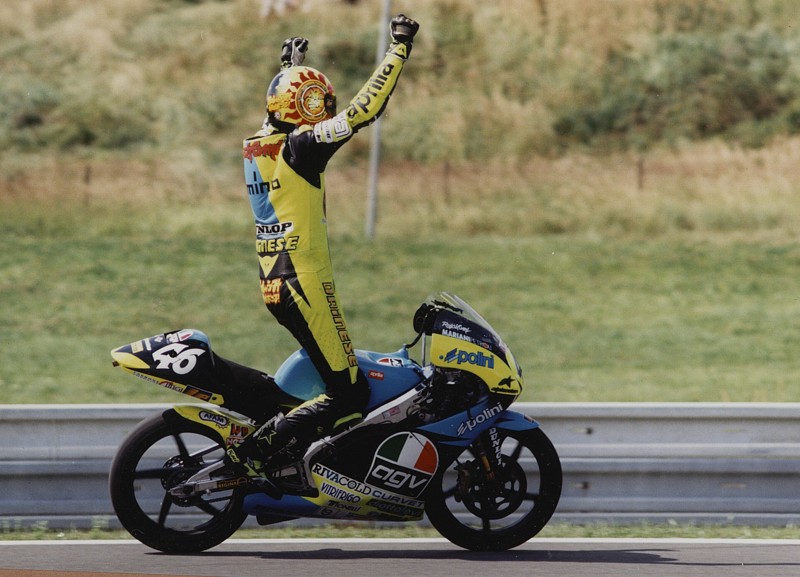
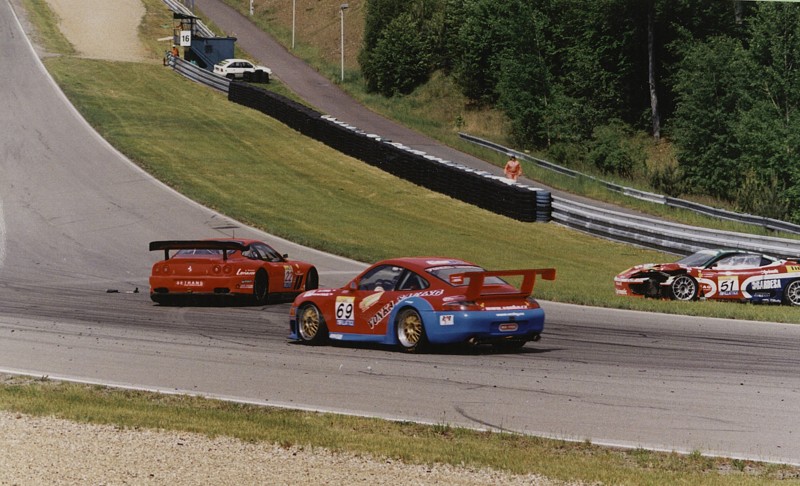
Right after opening in 1987, Brno welcomed back the Motorcycle World Championship and introduced the World Touring Car Championship. In 1988, the World Sportscar Championship brought Le Mans prototypes, followed by other prestigious events over the years.

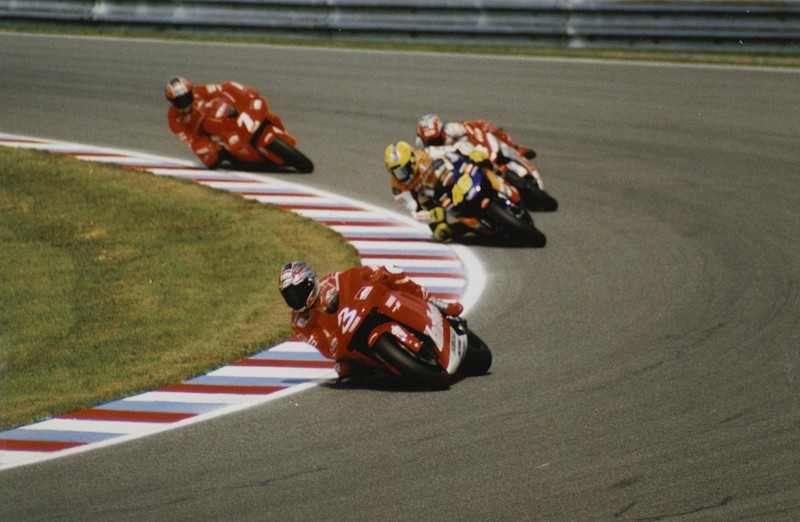
Between 1997 and 1998, extensive modernization of the paddock, pit lane and garages allowed the Automotodrom to accommodate the growing demands of the MotoGP World Championship, which visited regularly until 2020. Recent resurfacing and further upgrades paved the way for MotoGP’s successful return in 2025.

After 2020, it seemed that MotoGP would never return to the Automotodrom Brno. However, in 2023, the venue was acquired by a new owner, and in July 2025, the return of MotoGP to Brno was officially announced.

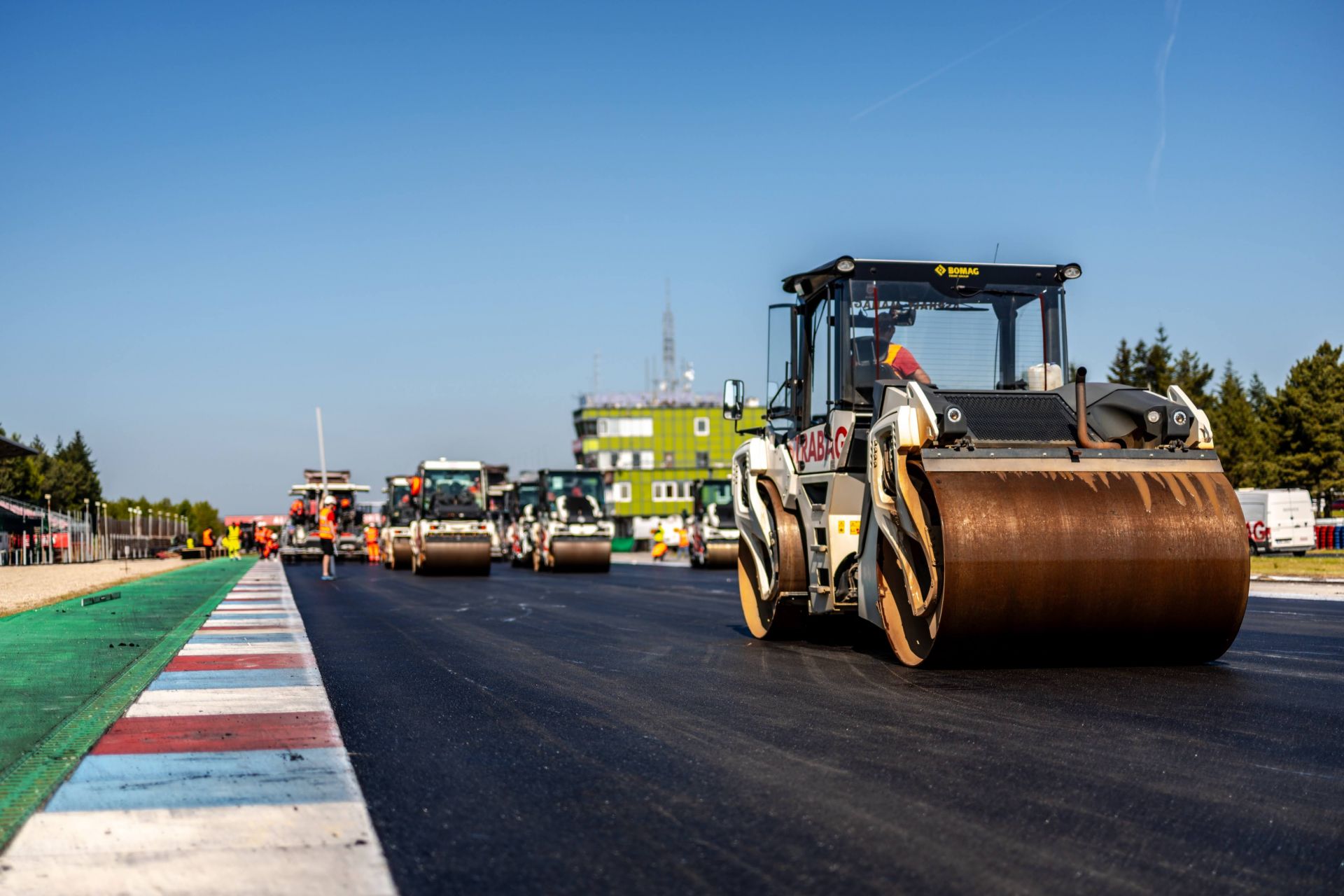
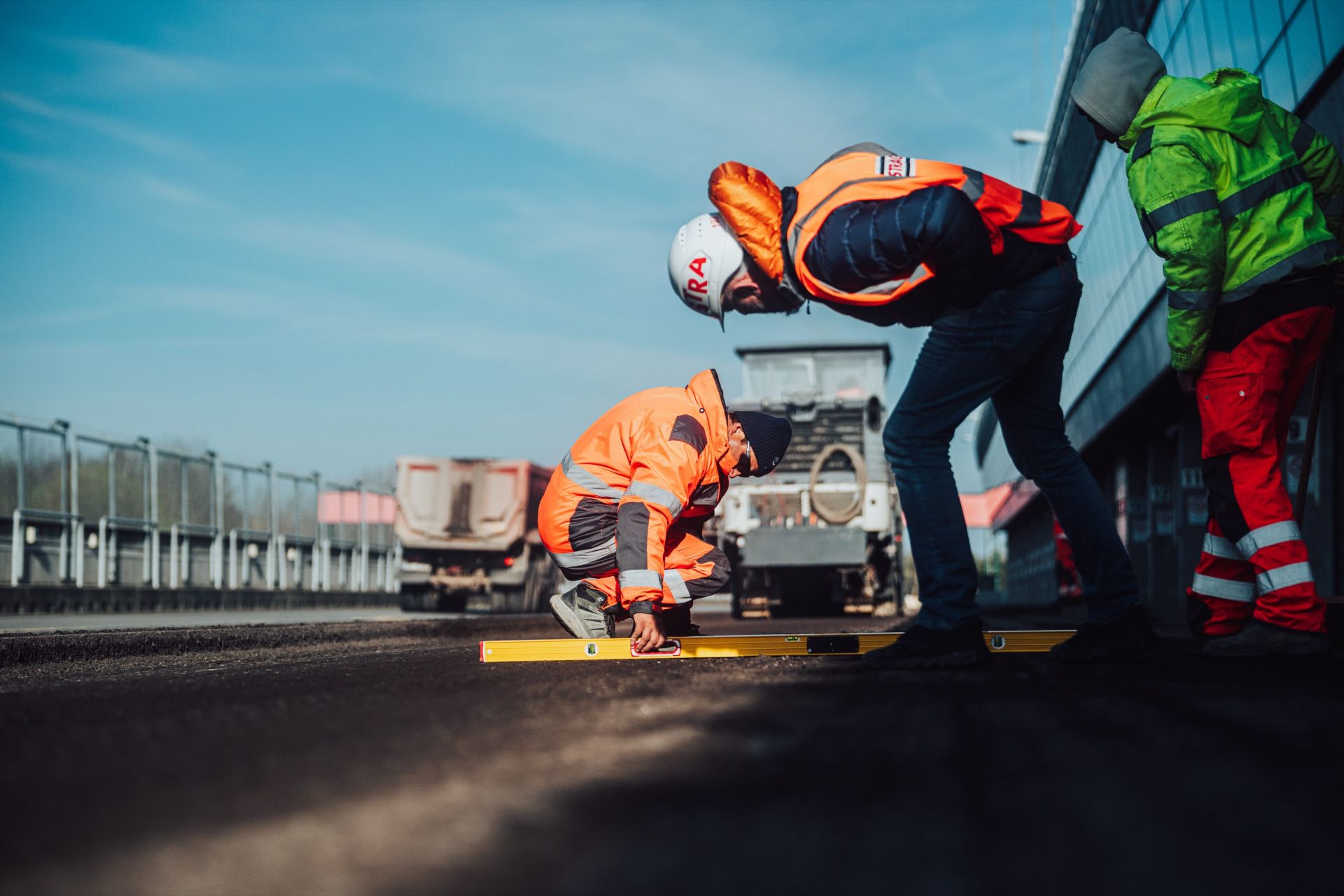
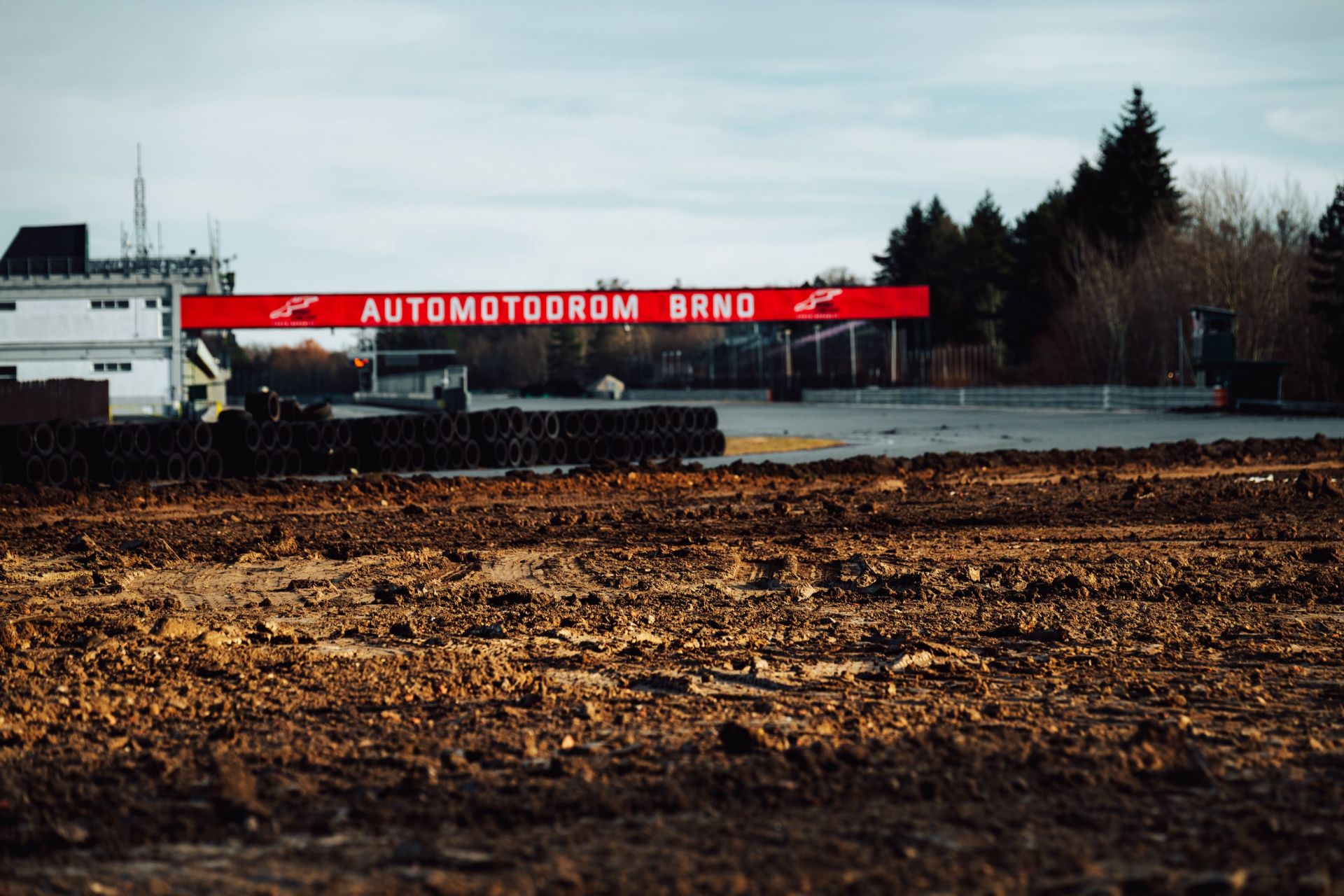
In cooperation with a key partner, the CREDITAS Group, an extensive reconstruction of the Automotodrom was launched — a necessary condition for hosting the world championship once again. The upgrades included resurfacing the track with new asphalt, installing modern LED signal panels, expanding the run-off areas along the circuit, and many other improvements.

With a successful comeback edition of the Czech Grand Prix held on July 18–20, 2025, the iconic race track firmly reclaimed its place on the MotoGP calendar.

od 1987